Museum Quality Spiritual Artwork

Raja Ravi Varma's Goddess Lakshmi (1894)

Raja Ravi Varma's legendary 1894 painting of Goddess Lakshmi depicts the deity standing gracefully upon a blooming pink lotus in a tranquil river. Adorned in a rich crimson saree with golden zari, flanked by an elephant and swans, this masterpiece brings profound spiritual peace, timeless grace, and auspicious abundance to any home.

4.9 · Loved by meditation & décor buyers

Choose Your Size & Finish

Preview sizes, select material, and add to cart — museum-quality printing, delivered across India.

PREVIEW WITH SIZES

SIZE, TYPE AND PRICE SELECTION

4.9 Rating 80,000+ Orders Secure Payment 7-Day Support Made in India Premium Packaging

Find Peace in Every Glance

What this Buddha represents · The emotions it creates · Why people place Buddha art in homes · How this artwork transforms interiors

Painted in 1894, this iconic portrayal of Goddess Lakshmi by Raja Ravi Varma represents the pinnacle of Indian academic realism and devotional art. Devi Lakshmi stands poised on an expansive lotus blossom afloat upon a tranquil forest stream. Draped in an opulent red saree accented with intricate gold embroidery, she radiates serene benevolence. Her upper hands cradle blossoming lotuses, while her lower hands bestow blessings and prosperity. To her right, a white elephant stands in veneration, raising a floral garland, while pristine swans glide gracefully to her left. Backed by verdant hills and a gentle cascade, this classic composition harmonizes nature with divinity. Perfectly aligned with Vastu principles for pooja rooms, formal foyers, and living spaces, this archival reproduction honors India's deep artistic legacy while welcoming positive, Sattvic energy into your living environment.

The Academic Realism merged with Traditional Indian Iconography treatment suits living rooms, bedrooms, and quiet corners. Pick a size from the shared lab chart below, then choose a finish.

Among the most revered depictions of the Divine Feminine in Indian history, Raja Ravi Varma's 1894 painting of Goddess Lakshmi redefined how the subcontinent visualized material and spiritual abundance. Before Varma's revolutionary work, sacred iconography was primarily confined to temple sculptures, folk miniatures, and formal court manuscripts. With this work, later popularized through his fine art lithographic press, Varma combined classic Sanskrit descriptions from the Sri Sukta with European academic realism, creating an image of the Goddess that feels both divinely transcendent and intimately accessible. In this balanced composition, Devi Lakshmi stands upright upon a vibrant, multifaceted pink lotus (Padma) blooming above calm rippling water. The lotus represents unshakeable purity, spiritual awakening, and detachment from worldly impurities. Clad in a resplendent crimson saree trimmed with authentic gold zari work, she embodies Shakti—the active, life-affirming cosmic force. Her four arms symbolize the cardinal aims of human existence according to Vedic philosophy: Dharma (ethical living), Artha (honest prosperity), Kama (aesthetic delight and desire), and Moksha (ultimate spiritual freedom). Her upper hands gently hold open lotus blossoms, signifying unfolding consciousness, while her lower hands assume gestures of reassurance (Abhaya) and the shower of boons (Varada). The naturalistic setting deepens the spiritual resonance. On the right, a majestic white elephant emerges from the stream, holding a garland in its trunk—a direct invocation of the Gajalakshmi form, signifying royal dignity, intellect, and divine grace. To the left, a pair of Hamsa swans navigate serene waters speckled with lily pads, symbolizing spiritual discernment (Viveka) and the capacity to filter truth from illusion. In the background, lush foliage, a softly tumbling waterfall, and tranquil blue mountains establish a pristine, unhurried atmosphere reminiscent of the sacred groves of ancient India. Crafted with archival precision, this reproduction captures the exact subtle gradations of Varma's original oil palette, from the tactile folds of the crimson silk to the gentle reflections across the water's surface. Ideal for pooja rooms, heritage living halls, executive office suites, and welcoming entry foyers, the artwork serves as both a cultural heirloom and an auspicious focal point. When installed according to Vastu guidelines on the North or East wall, it encourages an atmosphere of stability, refinement, and lasting auspiciousness.

Symbolism & Meaning

Every visual element in Buddha art carries spiritual significance — explore what each symbol represents.

SymbolMeaning
Crimson RedA dominant colour in this artwork that shapes its mood and visual impact.
GoldA dominant colour in this artwork that shapes its mood and visual impact.
Lotus PinkA dominant colour in this artwork that shapes its mood and visual impact.
Emerald GreenA dominant colour in this artwork that shapes its mood and visual impact.

Choose the Feeling

What feeling do you want in your space? Select one to see the best room previews and material recommendations.

View in Different Spaces

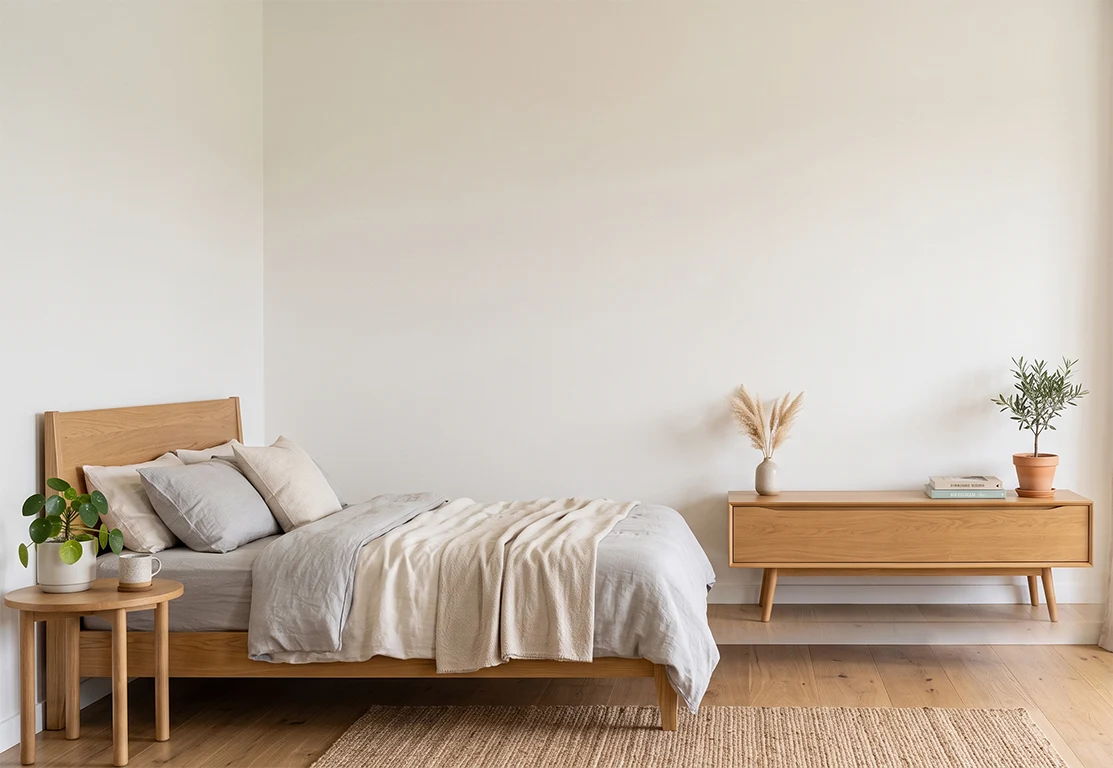
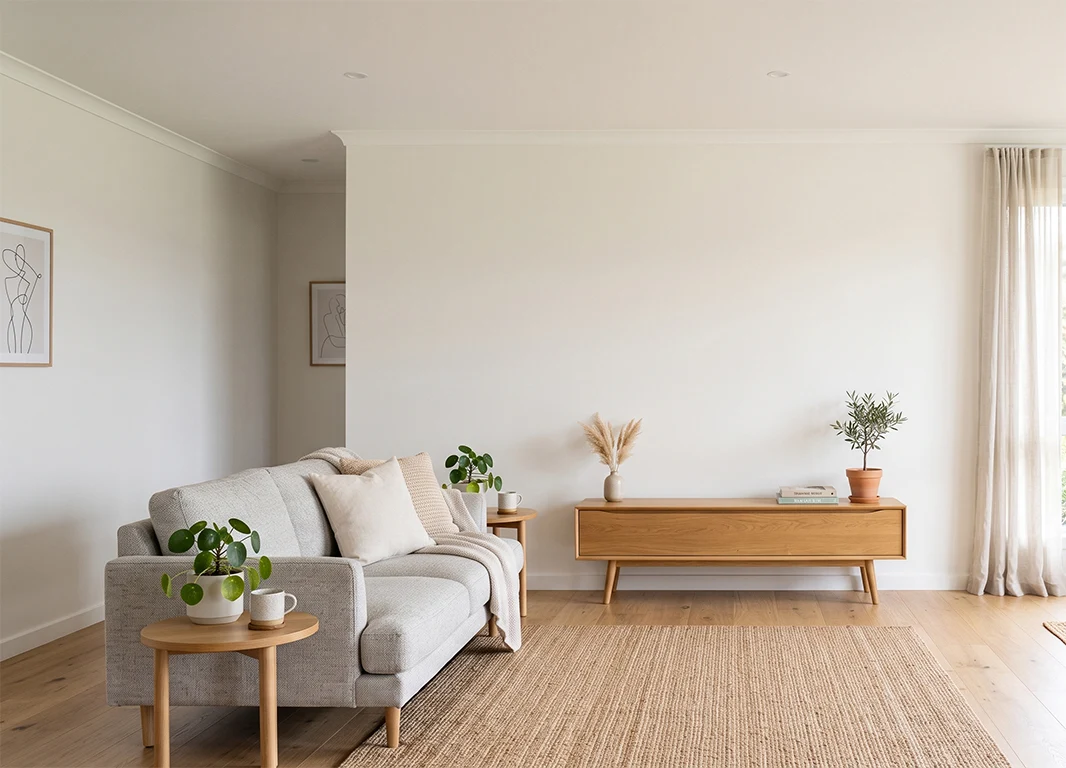
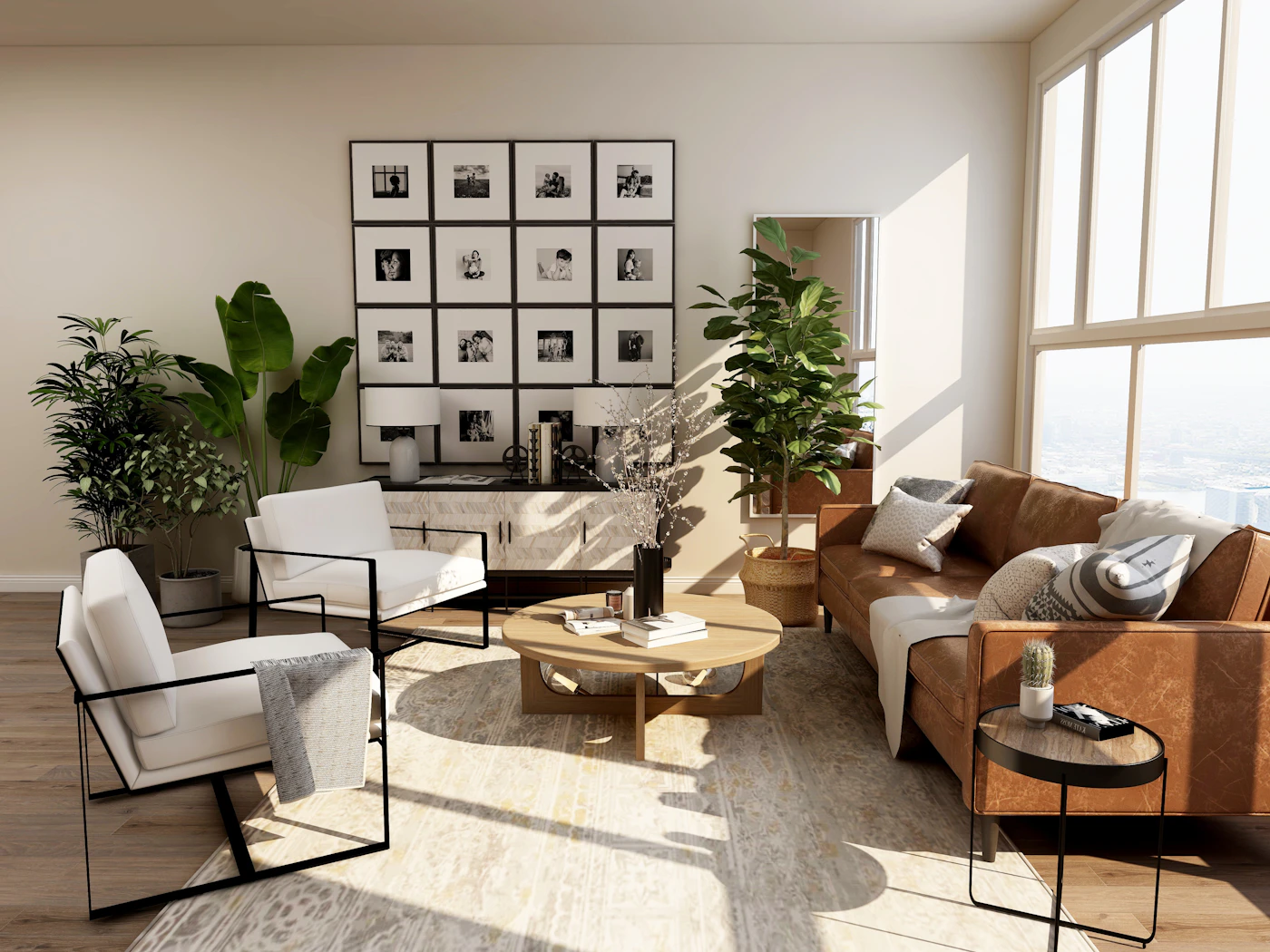
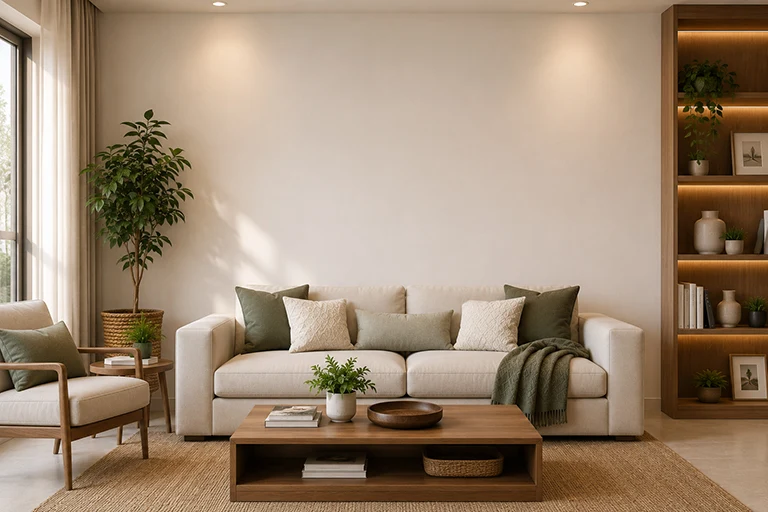
See how this artwork transforms living rooms, meditation corners, and luxury interiors.
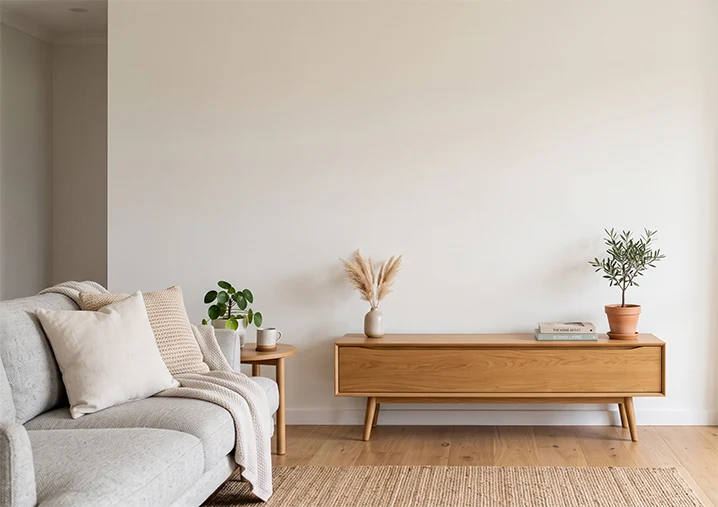
Living Room interior

Why People Love This Artwork

Creates a peaceful atmosphere
Complements modern interiors
Ideal for meditation spaces
Premium museum-quality printing
Fade-resistant archival inks
Handcrafted in India

Colour Meaning

Colours in Buddha art carry spiritual significance — here is what they evoke.

Gold

  • Wisdom
  • Prosperity
  • Enlightenment

Blue

  • Calm
  • Healing
  • Infinite Mind

Orange

  • Spiritual Energy
  • Meditation
  • Compassion

Interior Styling Tips

Premium art deserves thoughtful placement — wall colour and lighting make all the difference.

Best Wall Colours

White Cream Beige Stone Grey Wood Finish

Lighting

Warm White 2700K 3000K

Packaging & Safe Delivery

Your artwork travels in museum-grade protection — every piece is inspected before dispatch.

Foam Protection
Corner Protector
Bubble Wrap
Double Wall Carton
Delivered Safely

Vastu Placement Guide

Place Buddha artwork at eye level in living rooms or meditation corners. Avoid hanging directly opposite the main entrance. East and northeast walls are traditionally favoured for spiritual art in Indian homes.

Buddha Mudras & Their Meanings

Dhyana mudra (meditation) invites calm. Abhaya mudra (fearlessness) offers protection. Varada mudra (generosity) welcomes prosperity. Bhumisparsha mudra (earth-touching) symbolises enlightenment.

"In the midst of movement and chaos, keep stillness inside of you."

Printing and ordering FAQs (same for every artwork)

What is the historical significance of Raja Ravi Varma's 1894 Goddess Lakshmi?
Created in 1894, this iconic painting marked the birth of modern Indian sacred art. Raja Ravi Varma blended classical Sanskrit iconography from the Sri Sukta with European academic realism. His subsequent oleographs allowed ordinary households across India to possess a beautifully detailed depiction of Devi Lakshmi for domestic worship.
Where should I place this Goddess Lakshmi painting according to Vastu Shastra?
According to Vastu Shastra, this painting is best mounted on the North, East, or North-East wall of your home or pooja room. The North direction is associated with Lord Kubera (wealth), while the East is aligned with the Sun and new beginnings, optimizing peaceful and prosperous energies.
Can this artwork be placed directly inside a Pooja Room / Mandir?
Yes, absolutely. This depiction is one of the most auspicious and revered icons for domestic altars. Its Sattvic composition, graceful mudras, and traditional sacred elements make it a perfect focal point for daily prayer and meditation.
What does the elephant beside Goddess Lakshmi signify in this painting?
The white elephant holding a garland signifies the Gajalakshmi form. In Hindu iconography, elephants represent sovereign authority, profound wisdom, unshakeable strength, and the divine grace that protects and stabilizes material wealth.
What do the twin swans (Hamsa) in the river represent?
The two white swans gliding beside the water lilies symbolize 'Viveka'—spiritual discrimination. In Vedic tradition, the Hamsa can separate pure milk from water, reminding the viewer to distinguish eternal spiritual truth from transient worldly illusion.
Why did Raja Ravi Varma paint Goddess Lakshmi in a crimson red saree?
In Hindu philosophy, red is the sacred color of dynamic cosmic energy (Shakti), fertility, and auspicious fortune (Saubhagya). The elaborate gold zari embroidery reflects royalty and the generous blessings of abundance.
Are the historical signatures and text at the bottom preserved in the print?
Yes, the authentic historic markings including 'Ravi Varma 1894', 'लक्ष्मी', 'A.S.D.', and 'LAXMI' are faithfully preserved at the base to maintain its museum-grade collector value and archival integrity.
Can this painting be hung in a living room or foyer?
Yes. Beyond pooja rooms, this masterwork is widely displayed in living rooms, entry foyers, and executive offices as a sophisticated heritage statement that welcomes positivity and cultural grace.
Should this painting be placed in a bedroom?
If placed in a master bedroom, Vastu guidelines recommend hanging it on the East wall to foster harmony and calm. Avoid placing sacred deity paintings directly facing the bed or in guest bedrooms.
What print media is recommended for this artwork?
We recommend our 380 GSM 100% natural cotton canvas for rich depth resembling the original oil painting, or our 260 GSM museum matte paper if framing behind glass to eliminate reflections under direct light.
Will the colors fade over time?
No. At PrintPosters.in, we use commercial 12-color archival giclée pigment inks with UV resistance rated to retain brilliance and tonal purity for over 100 years indoors away from direct outdoor sunlight.
What frame styles best complement this Raja Ravi Varma print?
A classic carved antique gold frame or a deep teakwood/walnut frame best complements the 19th-century royal aesthetic, harmonizing naturally with the crimson, gold, and green tones of the composition.
Is this painting suitable as a housewarming (Griha Pravesh) gift?
It is one of the most auspicious gifts possible for a housewarming, wedding, or Diwali celebration. It carries blessings of lasting peace, righteous prosperity, and cultural reverence for a new home.
What lighting is ideal for highlighting this artwork?
Directional warm white spotlighting (2700K to 3000K) positioned at a 30-degree angle beautifully enhances the gold embroidery, warm skin tones, and pink lotus petals without washing out the deep background greens.
Can I order this artwork in custom dimensions?
Yes, PrintPosters.in offers custom sizing to fit your specific pooja mandir niche, living room wall, or executive backdrop while strictly maintaining the original historical aspect ratio.
How is the artwork packaged for safe domestic transit in India?
Unframed prints are rolled with protective acid-free glassine paper and shipped in heavy-duty crush-proof postal tubes. Framed orders are cushioned with multi-layer bubble wrap, edge guards, and reinforced corrugated wooden crates.
How do I maintain and clean my framed canvas print?
Simply dust the surface lightly using a clean, dry microfiber cloth or soft feather duster. Never use water, chemical detergents, or wet sponges on fine art canvas or paper surfaces.
Does the print have a matte or glossy finish?
Our prints feature an elegant, reflection-free satin-matte finish that preserves subtle oil brush textures while preventing harsh overhead light reflections.
What is the significance of Lakshmi standing rather than sitting in this painting?
While sitting Lakshmi (Padmasana) represents grounded tranquility, a standing Lakshmi (Samabhanga) represents active, benevolent blessing and ready movement—signifying dynamic prosperity that actively enters and sanctifies the household.
What does the waterfall in the background represent?
The gently cascading stream and waterfall signify 'Chaitanya'—the ceaseless, natural, and pure flow of divine cosmic life force (Prana) that cleanses and revitalizes the earth.
Can this artwork be installed in a commercial office or corporate reception?
Yes. Many leading Indian enterprises and professionals place this artwork in boardrooms and reception foyers to symbolize ethical wealth generation, calm leadership, and pride in Indian heritage.
What shipping delivery timelines can I expect across India?
Standard delivery across major metro cities takes 3 to 6 business days. Every shipment includes real-time tracking from dispatch to doorstep delivery.

Customer Reviews

No reviews yet

Be the first to review this artwork.

Complete Artwork Information

Jump to detailed sections on this page. Copy comes from AI artwork analysis, your product record, and PrintPosters print specifications — review and publish in Admin → Gallery Master → Premium.

About This Artwork

Raja Ravi Varma's legendary 1894 painting of Goddess Lakshmi depicts the deity standing gracefully upon a blooming pink...

Read full section
About the Artist

Painted in 1894 and later disseminated across Indian households via the pioneering Ravi Varma Fine Arts Lithographic Pre...

Read full section
Artistic Style & Technique

Academic Realism merged with Traditional Indian Iconography Style · Divine Abundance Inspired · Spiritual Purity Inspired

Read full section
Symbolism & Meaning

Crimson Red · Gold · Lotus Pink · Emerald Green

Read full section
Recommended Interior Styles

Pooja Room, Living Room, Foyer, Executive Study, Home Office

Read full section
Colour Palette & Details

Goddess Lakshmi · PrintPosters Curated · Academic Realism merged with Traditional Indian Iconography

Read full section
Materials & Printing

Canvas, Acrylic, Floater Frame, Photo Frame

Read full section
Size Guide

8×8″ desk to 48×72″ hotels

Read full section
Care Instructions

Dust gently · avoid direct sun

Read full section
Packaging & Shipping

Delivered in 5–7 days · Free Pan-India shipping

Read full section
FAQs

22 artwork-specific questions

Read full section
Customer Reviews

Customer reviews

Read full section

Pairs Well With

Create a 3-piece gallery wall and get an extra 10% off at checkout.
Explore more wall art from PrintPosters.in Sale
Abstract Harmony #1

Rs. 1200 Rs. 899

Explore more wall art from PrintPosters.in Sale
Abstract Harmony #2

Rs. 1200 Rs. 899

Explore more wall art from PrintPosters.in Sale
Abstract Harmony #3

Rs. 1200 Rs. 899

Explore more wall art from PrintPosters.in Sale
Abstract Harmony #4

Rs. 1200 Rs. 899